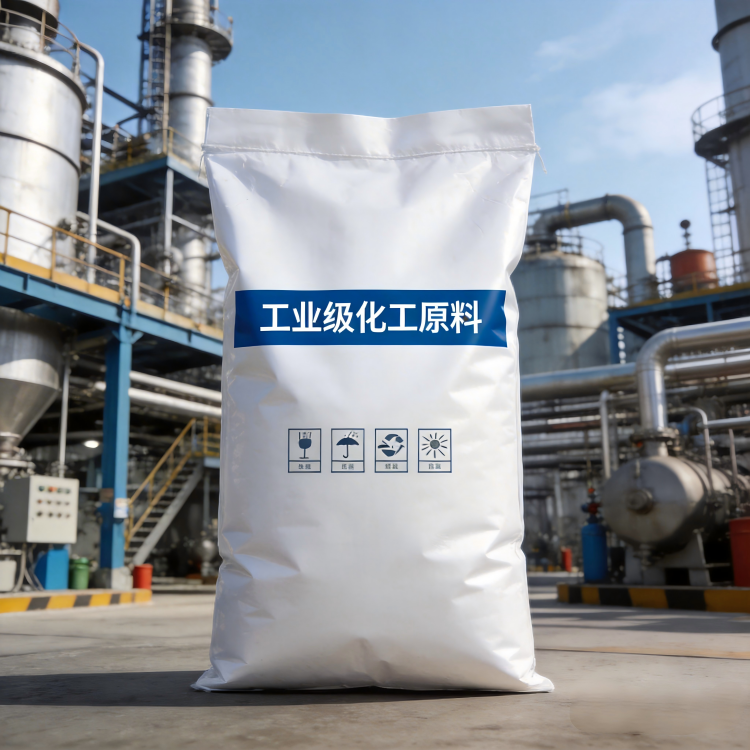


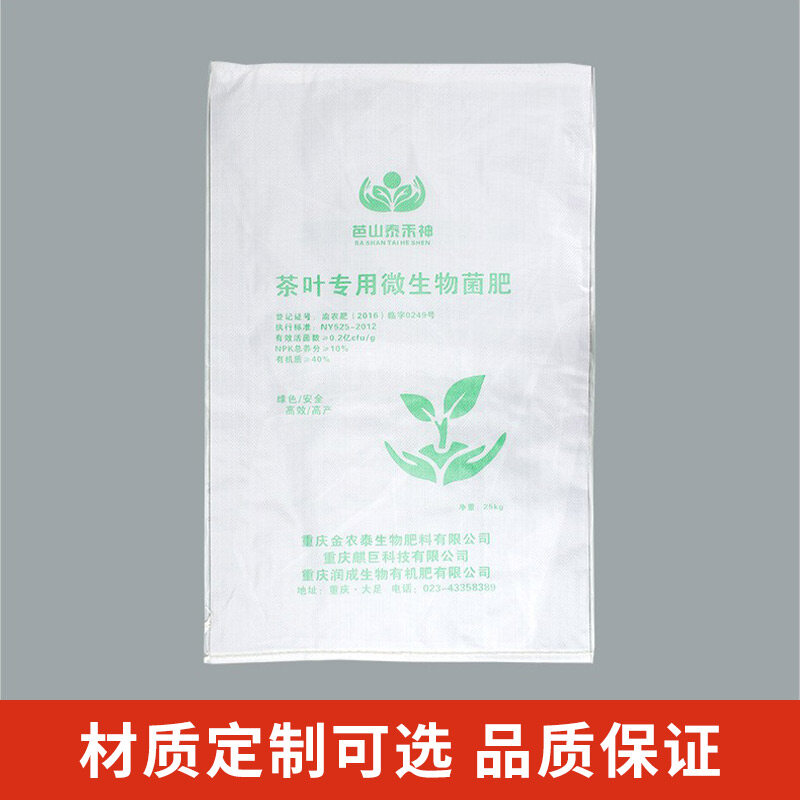
A common pitfall in purchasing woven bags for chemical plants is treating standard and laminated woven bags as interchangeable. This misconception leads to two outcomes: high-moisture-sensitivity products packaged in standard bags suffer from clumping due to dampness during transit, while products with no strict moisture requirements are unnecessarily over-packaged in laminated bags, driving up costs. From a production standpoint, selecting the right woven bag isn't about choosing "expensive" or "cheap"—it's about precisely matching product characteristics with packaging functionality.
Myth 1: Standard woven bags are moisture-resistant
Standard woven bags are made from polypropylene flat yarns and have a porous structure. While this does not affect use in dry conditions, moisture can penetrate the bag directly upon exposure to humidity or water vapor. Common chemical powders—such as calcium carbonate, talc powder, and titanium dioxide—are highly sensitive to moisture. Standard woven bags cannot provide effective protection against it.
Products compliant with GB/T 8946-2013 "General Technical Requirements for Plastic Woven Bags" focus their physical performance indicators on tensile strength, seam strength, and drop test performance; they do not include moisture-proofing grades. In other words, meeting the national standard only confirms that the bag is durable, not that it is moisture-resistant. If purchasers rely solely on "compliance with the national standard" as an acceptance criterion, they risk overlooking this critical moisture-proofing dimension.
Misconception 2: Laminated bags are suitable for all chemical applications.
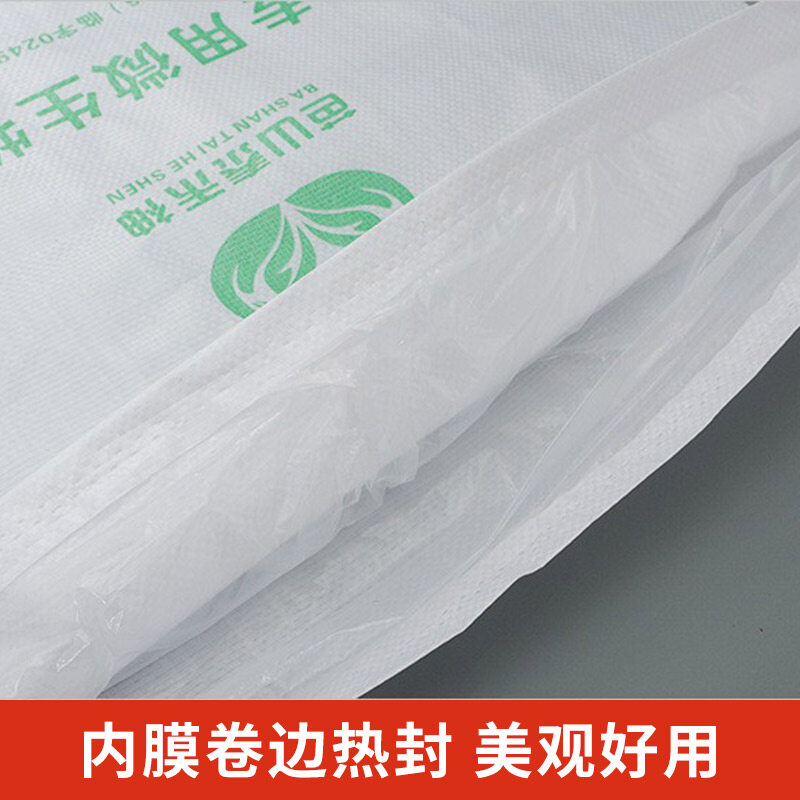
Laminated woven bags have a film layer bonded to the surface of standard woven bags, creating a physical barrier that blocks moisture. While this significantly improves moisture resistance, laminated bags are not a universal solution.
Lamination increases bag weight and unit cost. For moisture-insensitive chemical products—such as certain plastic pellets or inorganic salts—the added moisture barrier offers no practical value. Additionally, lamination reduces breathability; for products requiring ventilation (e.g., some bio-based materials), this can lead to internal condensation. Procurement decisions should be based on product characteristics, not simply pursuing "higher specifications."
Core Comparison: Moisture Resistance & Application Scenarios
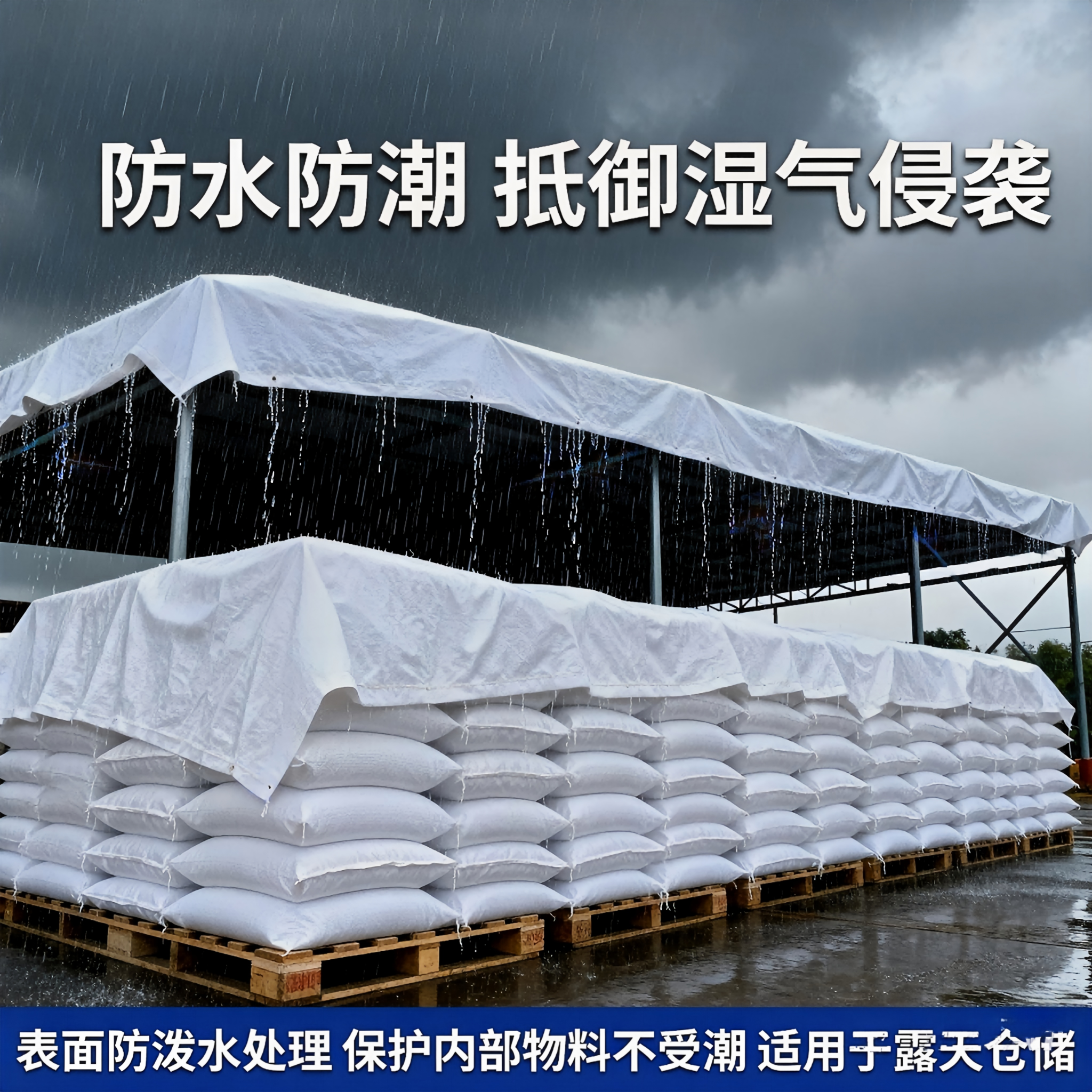
From a moisture-proofing mechanism perspective, ordinary woven bags rely on the inherent hydrophobicity of the material for limited protection. While polypropylene tapes are non-absorbent, the porous structure allows water vapor to pass freely. In contrast, laminated woven bags use a film layer to create a continuous barrier, significantly reducing water vapor transmission. The difference between the two lies not in the base material, but in structural integrity.
Applicable scenarios can be simplified into three dimensions:
First, product moisture sensitivity.Powdered and crystalline products are prone to moisture absorption and caking; they require dual protection with coated bags or inner-lined bags. Granular and blocky products tolerate higher humidity and can be packed in standard woven bags.
Second, storage and transportation conditions.In high-humidity environments such as the southern plum rain season, coastal areas, or after cold-chain transport where temperature differentials cause condensation, moisture intrusion risks are elevated—making laminated bags a necessary choice. In dry climates, indoor storage, or short-distance shipping scenarios, standard woven bags offer clearer cost advantages.
Third, the packaging cycle.Long-term inventory requires higher-level moisture protection, while short-turnover items can have relaxed requirements.
Procurement Decision Guide: Select Bags by Product Features
When developing procurement plans, chemical companies should first assess product moisture sensitivity and then match packaging accordingly. For moisture-sensitive products, standard configurations include laminated woven bags or a combination of plain woven bags with inner liner bags. For non-moisture-sensitive products, plain woven bags are sufficient—avoid paying for unnecessary features.
From a supply chain perspective, the value of source factories lies in their customization capabilities. Manufacturers that support on-demand customization of lamination thickness, inner liner bag material, and specifications can provide tailored solutions based on specific product characteristics, rather than forcing customers to choose between standard options. Chongqing Hepeng Plastic Industry Co., Ltd. has specialized in plastic packaging for 15 years. With expertise in customized woven bags with laminated layers, inner liner bags, and chemical bags, it adheres to national standards and maintains an annual production capacity exceeding {10,000} units. The company delivers matching solutions aligned with the product characteristics and storage and transportation conditions of chemical enterprises.
Conclusion
The essence of woven bag selection is balancing cost and functionality. There are no absolute advantages or disadvantages between standard and laminated woven bags—only suitability. Purchasers must clarify three variables before making a decision: product characteristics, storage and transport conditions, and packaging cycle duration. This prevents hidden losses caused by using the wrong type of bag. While packaging costs represent a small portion of total product costs, damage from improper packaging, customer complaints, and brand erosion often far exceed the savings from choosing cheaper bags.