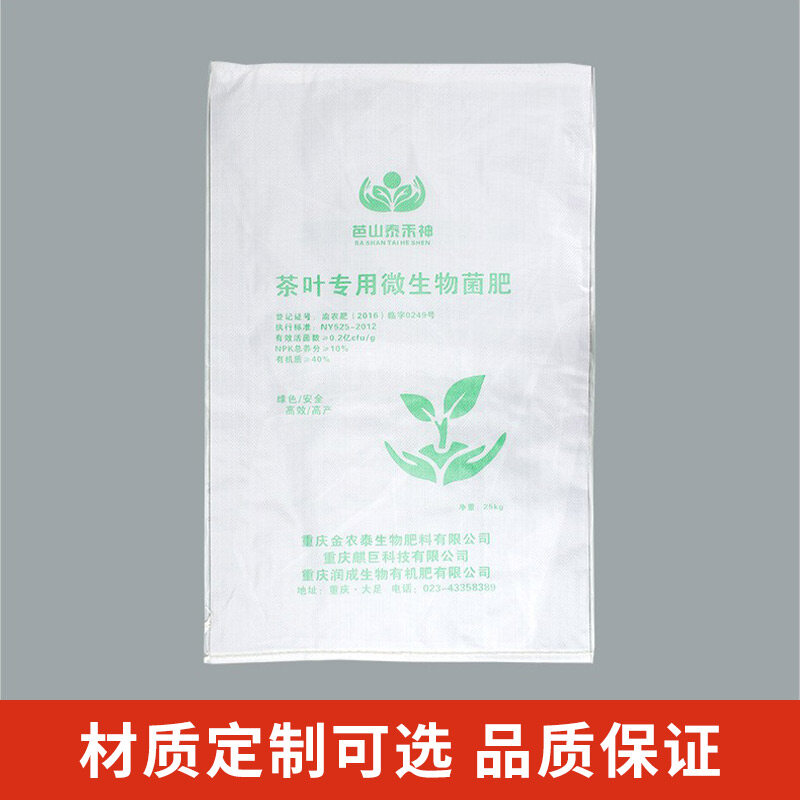


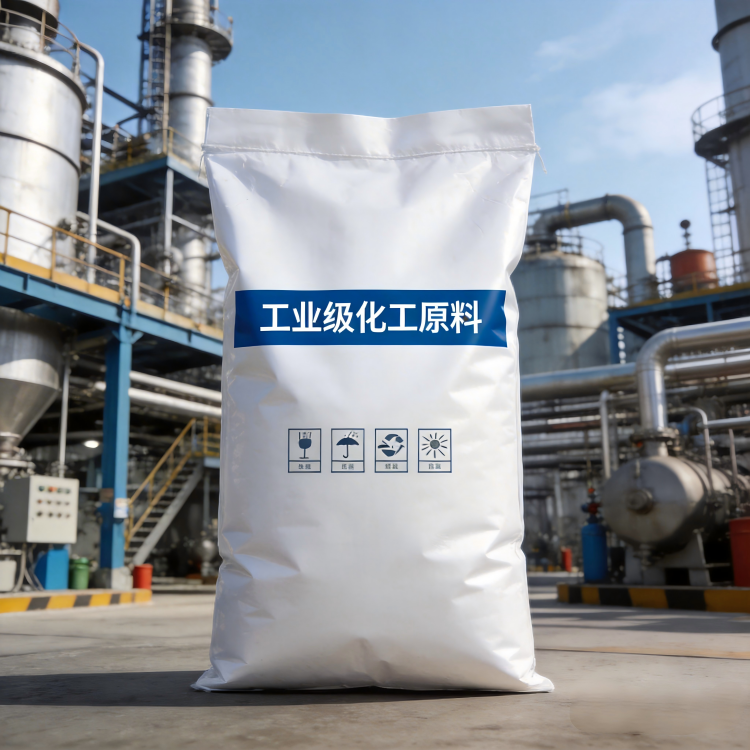
When sourcing woven bags, companies new to this category often make mistakes in three key parameters: material, thickness, and tensile strength. Choosing too light leads to high breakage rates after loading; choosing too heavy unnecessarily increases costs. GB/T 8946-2013 "General Technical Requirements for Plastic Woven Bags" is China's core standard for production and acceptance. Understanding its selection logic helps buyers strike the right balance between quality and cost.
Material Selection: PP vs. PE Differences Define Use Cases
The primary raw materials for woven bags are polypropylene (PP) and polyethylene (PE), which differ significantly in mechanical properties and weather resistance. PP offers high rigidity and tensile strength, making it ideal for powders and granular materials; it is the preferred choice in chemical, construction, and grain industries. PE provides superior flexibility and resists brittleness at low temperatures, making it suitable for cold climates or applications requiring impact resistance during drops.
Some products use a PP/PE blend to balance cost and performance. When purchasing, confirm the raw material ratio with your supplier, as the blend proportion directly affects the bag's tensile strength and temperature resistance. Hepeng Bag Industry supports material selection during customization and recommends suitable formulations based on the characteristics of the loaded material.
Thickness Metrics: Relationship Between GSM and Micron Thickness
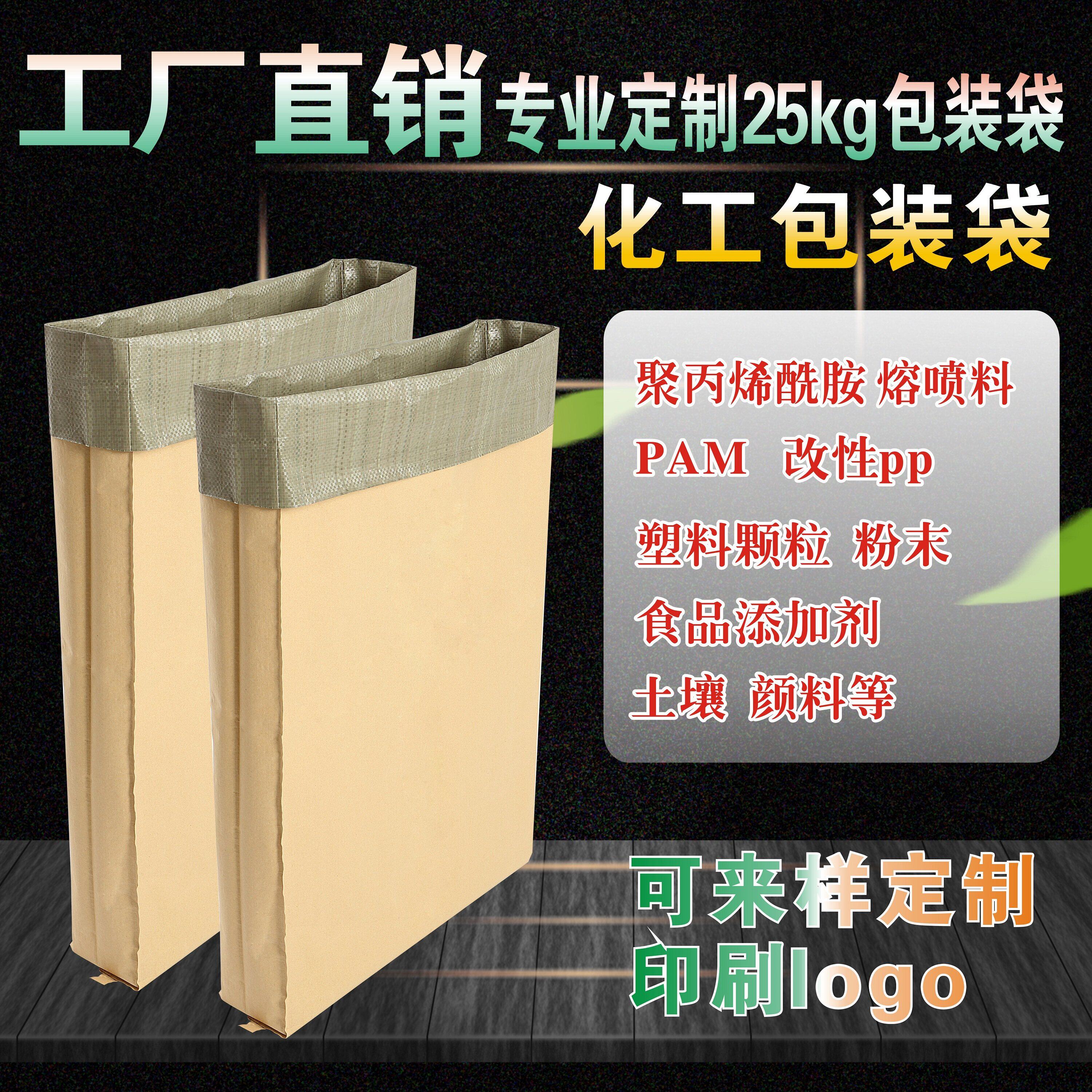
The thickness of woven bags is typically described using two metrics: basis weight (g/m²) and monofilament thickness (mm). Basis weight refers to the mass per square meter of the bag fabric, while monofilament thickness indicates the diameter of a single flat filament. GB/T 8946-2013 specifies minimum basis weights for different bag specifications; when procuring, require suppliers to provide test reports confirming compliance for the relevant specifications.
Common chemical industry woven bags typically have a basis weight between 60 and 90 g/m². A basis weight that is too low results in thin bag walls, causing the bottom bags in a stack to exceed their material strength limits and rupture. Conversely, a higher basis weight increases both the weight per bag and raw material costs. For standard 5kg chemical bags (2), approximately 70 g/m² serves as a balanced reference point for strength and cost. Actual values should be adjusted based on the specific load weight and stacking height.
Tensile Strength: Dual Assessment of Breaking and Seam Strength
Tensile strength is the core mechanical property of woven bags. GB/T 8946-2013 defines tensile strength across two dimensions: breaking force in the warp and weft directions, and seam strength at the bag's seams. Breaking force measures the maximum load the fabric can withstand when stretched, while seam strength evaluates whether the stitching at the bag bottom or opening fails before the fabric itself.
In actual procurement, seam strength is often overlooked. Some suppliers meet the tensile requirements for the bag fabric itself, but poor sewing quality creates weak points at the seams. During loading and handling, bags frequently split at the seams rather than tearing from the body. During acceptance, require suppliers to provide test data for both breaking strength and seam strength; both must comply with specified standards.
3 practical tips to avoid pitfalls in vendor selection
First, define the loading scenario before setting parameters.The type of material being loaded, weight per bag, transport method (palletized or bulk), and storage conditions (indoor or outdoor) directly determine the appropriate material grade and thickness. Compile this information before purchasing so suppliers can provide accurate product recommendations.
Second, a test report compliant with GB/T 8946-2013 is required.Products from reputable manufacturers must include inspection reports issued by third-party testing agencies, covering core metrics such as weight per unit area, breaking strength, and seam strength. Hepeng Bag Industry adheres to this national standard for production control, with all metrics subject to rigorous testing.
Third, validate actual performance with a small trial order.Raw material sources and manufacturing processes vary by supplier. Bags with the same weight specification may perform differently in actual use. For first-time collaborations, we recommend starting with a small trial order to verify breakage rates under real loading and shipping conditions before scaling up your purchase volume.
Woven bags may appear to be simple packaging materials, but selecting the right one requires a comprehensive assessment of material mechanics, production processes, and industry standards. Understanding the key indicators defined in GB/T 8946-2013 and aligning them with your specific application needs is essential to avoid costly procurement mistakes like overpaying or choosing the wrong product.